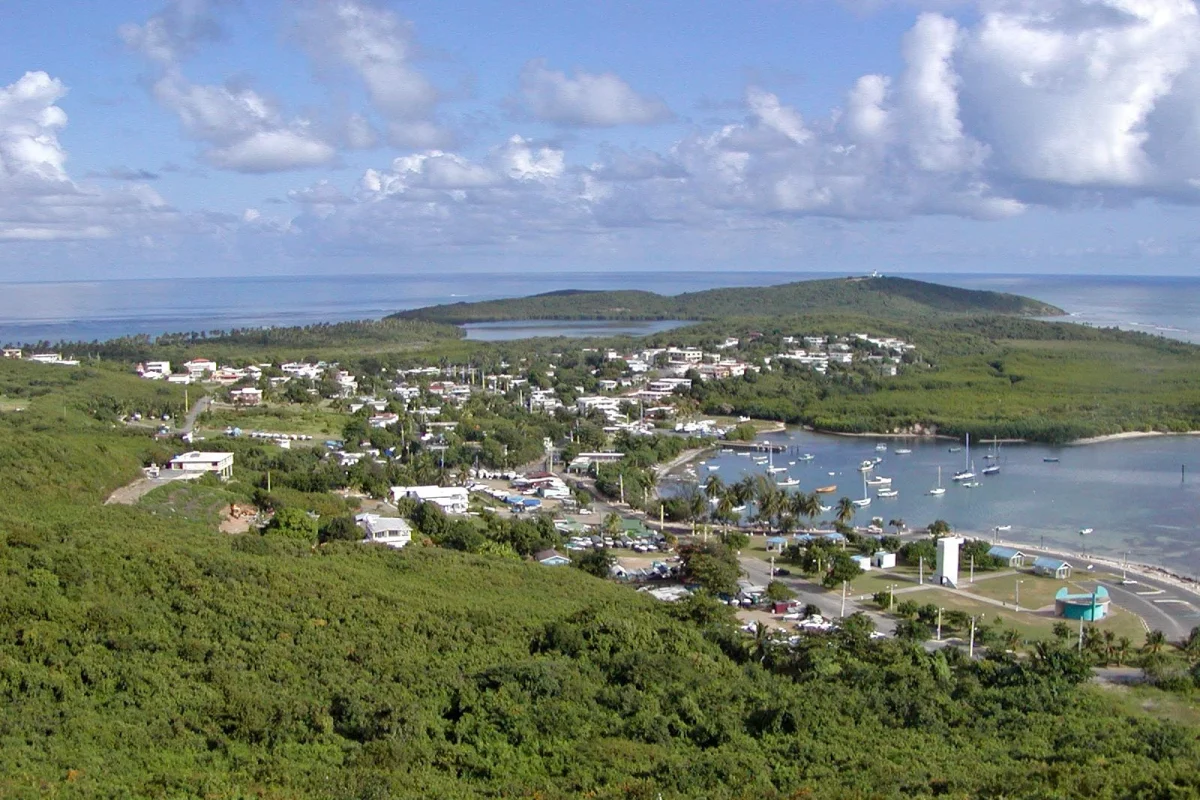
A headland can be a useful place to begin looking, but it should not end the story. At Cabezas de San Juan, the relationship between shore, forest and water is the point. A good visit starts with that wider interest, then checks what the conservation organization currently offers.
A connected landscape
Para la Naturaleza’s archived description identifies mangroves, dry forest, reefs, beaches and a bioluminescent lagoon within the reserve’s landscape. We use that account for ecological context. Its archived statements about tours, opening arrangements or closures are not current planning instructions.

Bio Bay Kayak Tour in Fajardo
Experience the glowing waters of Fajardo’s famous Bioluminescent Lagoon with Puerto Rico’s most awarded aquatic adventure provider! Move your arms...

Self-Drive Mini Boat Snorkeling Tour to Icacos Island
Be the captain for the day on Fajardo’s most unique snorkeling adventure. Drive your own 13’ mini boat from Faja...

Bioluminescent Bay Night Kayaking in Laguna Grande Fajardo 7:30pm
Paddle through the mangrove forest on your way to the unique Bioluminescent Bay of Laguna Grande in Fajardo, Puerto...
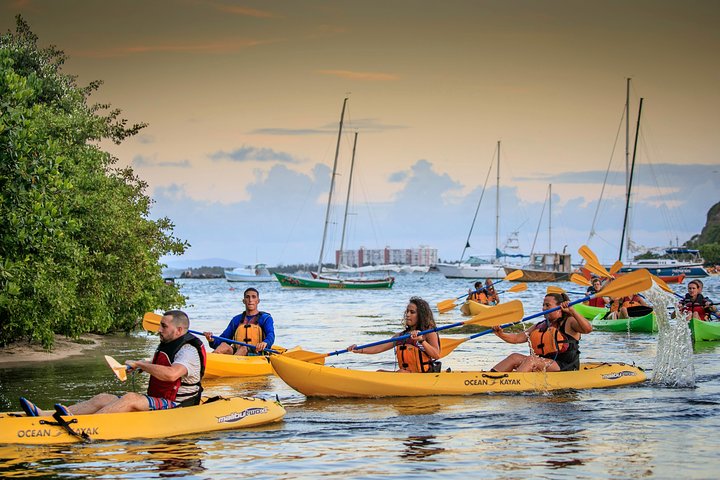
Bio Bay Night Kayaking | Laguna Grande, Fajardo 6pm
Weight limit is 240 lbs. per person. Pregnant women are not allowed to participate in the kayaking tour. Bring a lit...
Source: Para la Naturaleza’s archived Cabezas de San Juan description. Reviewed 14 September 2026.
The distinction matters. A page can remain useful for understanding a place while no longer being a reliable source for entering it. Before making a journey, consult the organization’s current visitor information and confirm the particular activity you want. Do not infer access from an old photograph, a dated notice or this guide’s descriptive text.
Follow the organization’s own interpretation
Para la Naturaleza’s event description links a boardwalk among mangroves with Laguna Grande and the connections between terrestrial and marine ecosystems. It also discusses lighthouse restoration. That is a helpful interpretive thread, without turning a listed event into a promise that a date or building is available.
Source: Para la Naturaleza’s coastal-connections event description. Reviewed 14 September 2026.
Read an event page in two parts: what the organization wants to explain, and what it says about actual participation. Confirm both the selected date and its current instructions. If your interest is a particular building, viewpoint or walking route, ask about that element directly rather than assuming it belongs to every visit.
Give habitat a place in your attention
Our suggestion is to choose a few things to observe rather than a list of things to collect. Notice how the edge of vegetation meets the water, where the ground changes and how the view opens or closes. A guide can help you connect those observations with the place’s ecology.
Stay within the visitor route, leave plants and wildlife undisturbed and follow the organization’s instructions. A photograph is not a reason to leave a path or enter a restricted area. If a part of the route is closed, the conservation work has priority over completing a personal checklist.
Ask practical questions early
- What exact activity and meeting point does the confirmation name?
- How much walking is involved, and what surfaces or steps are on the route?
- Which language is used for interpretation?
- What arrangements matter for the access needs of your group?
- What happens if the organization changes the planned route?
These questions help you choose a suitable visit without relying on a broad difficulty label. If the available arrangement does not fit your group, choose another Fajardo day rather than trying to force the match.
A photograph with a clear boundary
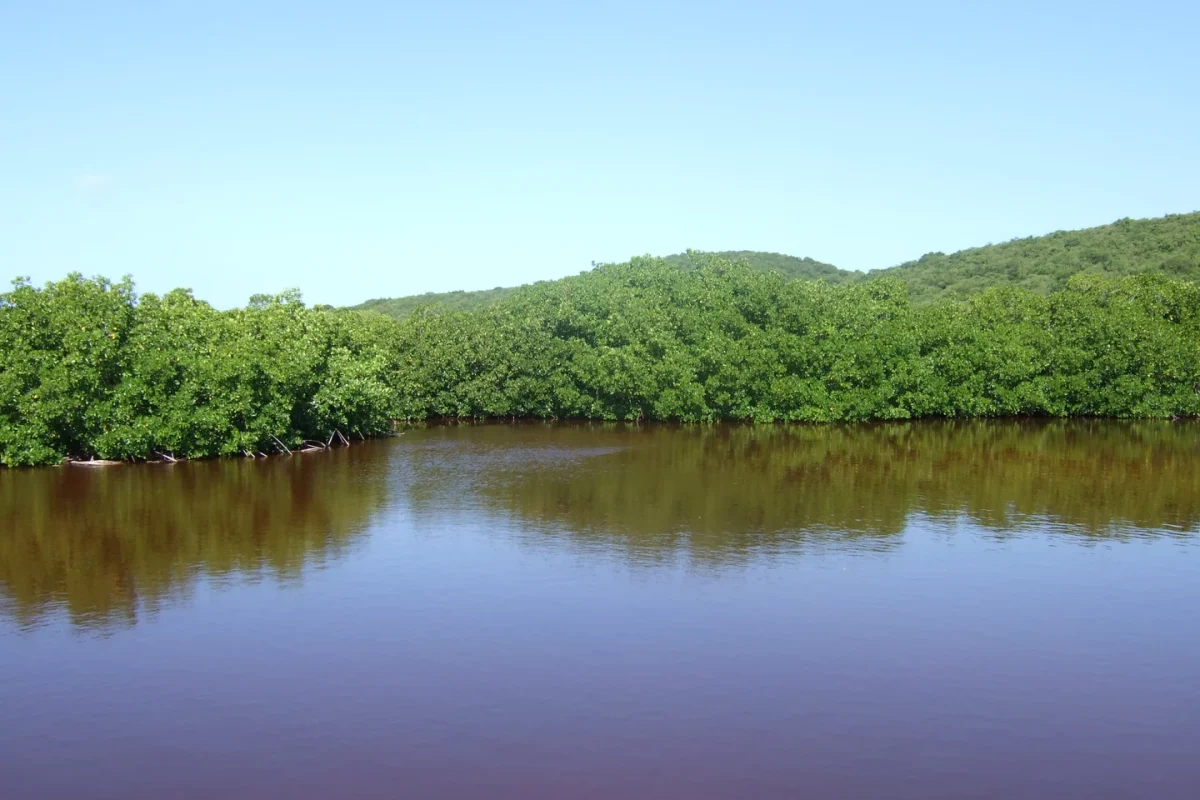
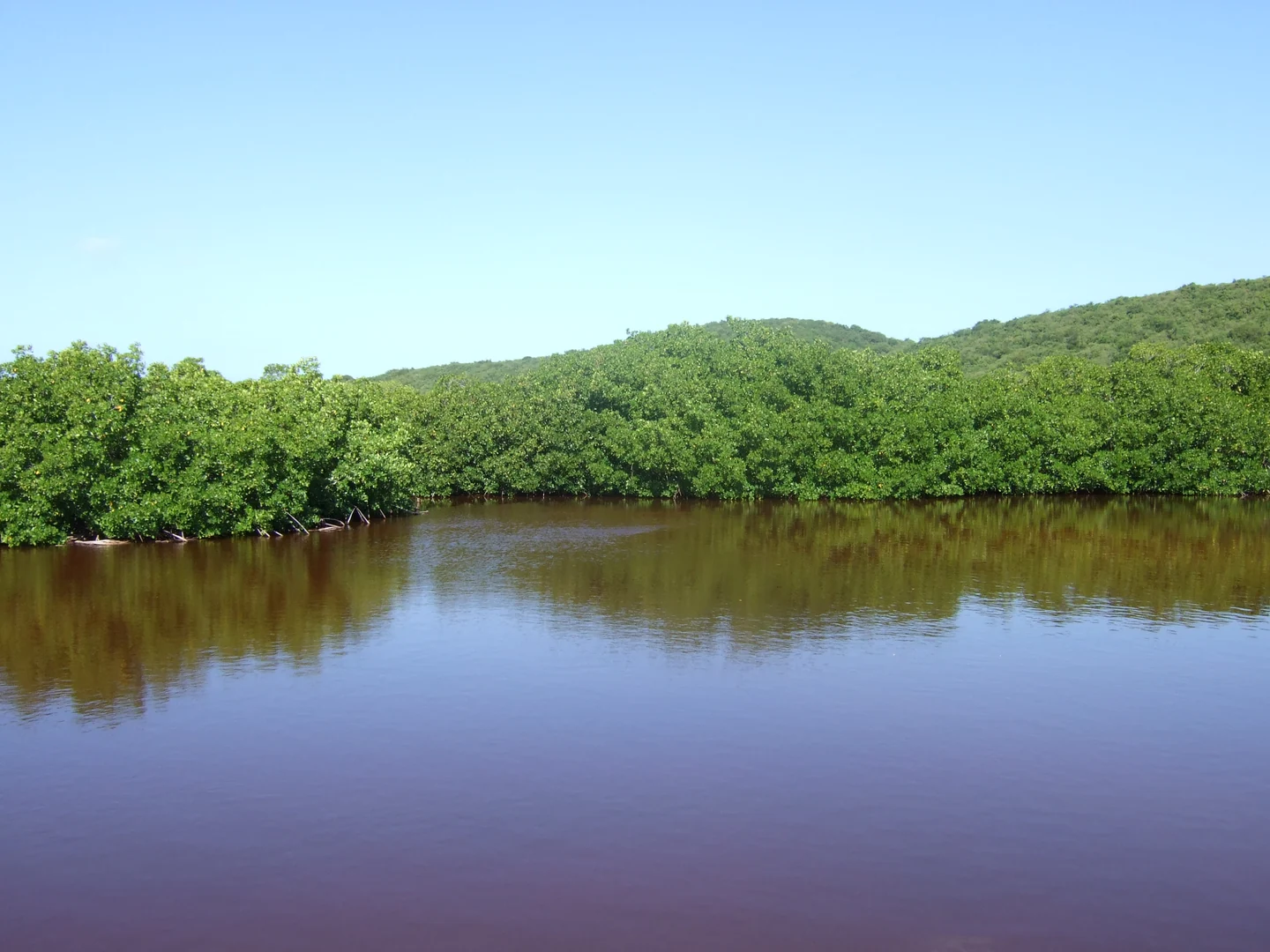
The article image shows red mangrove forest in Cabezas de San Juan, photographed by Boricuaeddie in January 2008. It documents habitat in daylight. It does not show a current boardwalk condition or simulate bioluminescence. For evening planning, continue with the Laguna Grande guide.
Bio Bay Kayak Tour in Fajardo
Experience the glowing waters of Fajardo’s famous Bioluminescent Lagoon with Puerto Rico’s most awarded aquatic adventure provider! Move your arms...

Icacos Deserted Island Catamaran, Snorkel, and Picnic Cruise
Our catamaran takes you to the island of Icacos. Disembark and find yourself at a beautiful beach with crystal clear...

Icacos Island Catamaran Day Sail from Fajardo
Live out your fantasy of island escape and hop aboard a catamaran to Cayo Icacos, a deserted island surrounded by th...

Half-Day Yunque Rainforest Waterslide & rope swing Guided Tour
Explore the rainforest on a journey full of history and natural gems. Drive yourself to meet your guide at Yagrumo R...